Our Investment Strategy
A Disciplined Infrastructure
Investment Strategy
Investment Strategy
Our strategy is built on three complementary pillars that guide how we identify,
protect, and grow infrastructure investments over the long term.
Identify
Megatrends & KeyInfrastructure Themes
The current market environment is characterised by multiple structural megatrends like decarbonisation,
connectivity, electrification, and aging populations which are triggering strong growth potential and creating
attractive investment opportunities for “value-add” infrastructure strategies.
Vesper Infrastructure Partners characterizes for an on-going structured monitoring of transformative megatrends and proactive identification of infrastructure companies benefiting from such forces. Megatrend acts as a strong catalyst for change and disruptions which are capable of triggering material growth potential across different industries and sectors of the economy. Therefore, Vesper focuses on the proactive identification of target companies active in key infrastructure segments / investment themes, which shows clear exposure to relevant megatrends and benefit from their growth and return generation potential.
In particular, Vesper Infrastructure Partners focuses on the following four megatrends and on those target companies that show a direct exposure to the strong growth and return generation potential triggered by such megatrends
In particular, Vesper Infrastructure Partners focuses on the following four megatrends and on those target companies that show a direct exposure to the strong growth and return generation potential triggered by such megatrends
This megatrend is a multi-dimensional transformation creating investment opportunities in new energy value chains, including: (i) clean tech services for energy efficiency (e.g. ESCOs); (ii) intermittency solutions (e.g., battery storage, demand response platforms); and (iii) clean tech solutions for decarbonisation of specific sectors (e.g., eFuels, EV charging hubs).
Decarbonisation megatrend is not just limited to increasing the amount of renewable power in the energy mix, but rather, should be considered as a multi-dimensional transformation that will create strong growth potential and investment opportunities in many different segments of new and more complex energy value chains, including:
(i) clean tech services for energy efficiency (e.g. smart metering, demand response platforms);
(ii) intermittency solutions (e.g. short term battery storage, long term storage solution/clean hydrogen);
(iii) clean tech solutions for the decarbonization of specific hard to abate sectors (e.g. carbon capture and sequestration solutions, furnace upgrades/repurposing).
Decarbonisation megatrend is not just limited to increasing the amount of renewable power in the energy mix, but rather, should be considered as a multi-dimensional transformation that will create strong growth potential and investment opportunities in many different segments of new and more complex energy value chains, including:
(i) clean tech services for energy efficiency (e.g. smart metering, demand response platforms);
(ii) intermittency solutions (e.g. short term battery storage, long term storage solution/clean hydrogen);
(iii) clean tech solutions for the decarbonization of specific hard to abate sectors (e.g. carbon capture and sequestration solutions, furnace upgrades/repurposing).
Ongoing transformations in mobility are creating opportunities in logistics and heavy transports (biofuels, fleet charging networks); V2X connectivity (vehicle-to-everything) to improve safety and logistics; and Mobility-as-a-Service platforms and their enabling infrastructures (e.g., multipurpose urban charging and delivery hubs).
The ongoing transformations in the way people and goods will be transported are triggering mobility’s second historical inflection point, with far reaching impacts on the existing transport infrastructures and technologies. Starting with the decarbonization of the transport, which goes beyond the simple introduction of electric cars (EVs) and encompasses heavy goods vehicles (HGVs), shipping and the aviation sectors. The implementation of dedicated clean tech solutions in this regard will lead to material infrastructure investment opportunities in biofuels, synthetic fuels and clean hydrogen and associated fleet charging networks.
Also connectivity of cars will transform each of them into nodes connected to the Internet of Things (IoT) and, together with onboard telematics, will allow vehicles to connect externally through V2X connectivity (e.g. vehicle to vehicle – V2V, vehicle to infrastructure – V2I, vehicle to cloud – V2C). Increased connectivity among vehicles and external world will bring numerous benefits, including improved safety, but also triggering new investment opportunities in advanced logistic platforms that are capable of optimising fleets costs, efficiency, productivity, route planning and whole-life maintenance expenditures.
Finally, the advent of shared mobility models (e.g. bike-sharing, car-sharing) together with autonomous driving capabilities, will lead to growing adoption of technology-enabled new transport services, which will create multiple growth opportunities for Mobility-as-a-Service platforms and their enabling infrastructures (e.g. fleet recharging and management services, multipurpose urban charging and delivery hubs and mobility payment infrastructure platforms).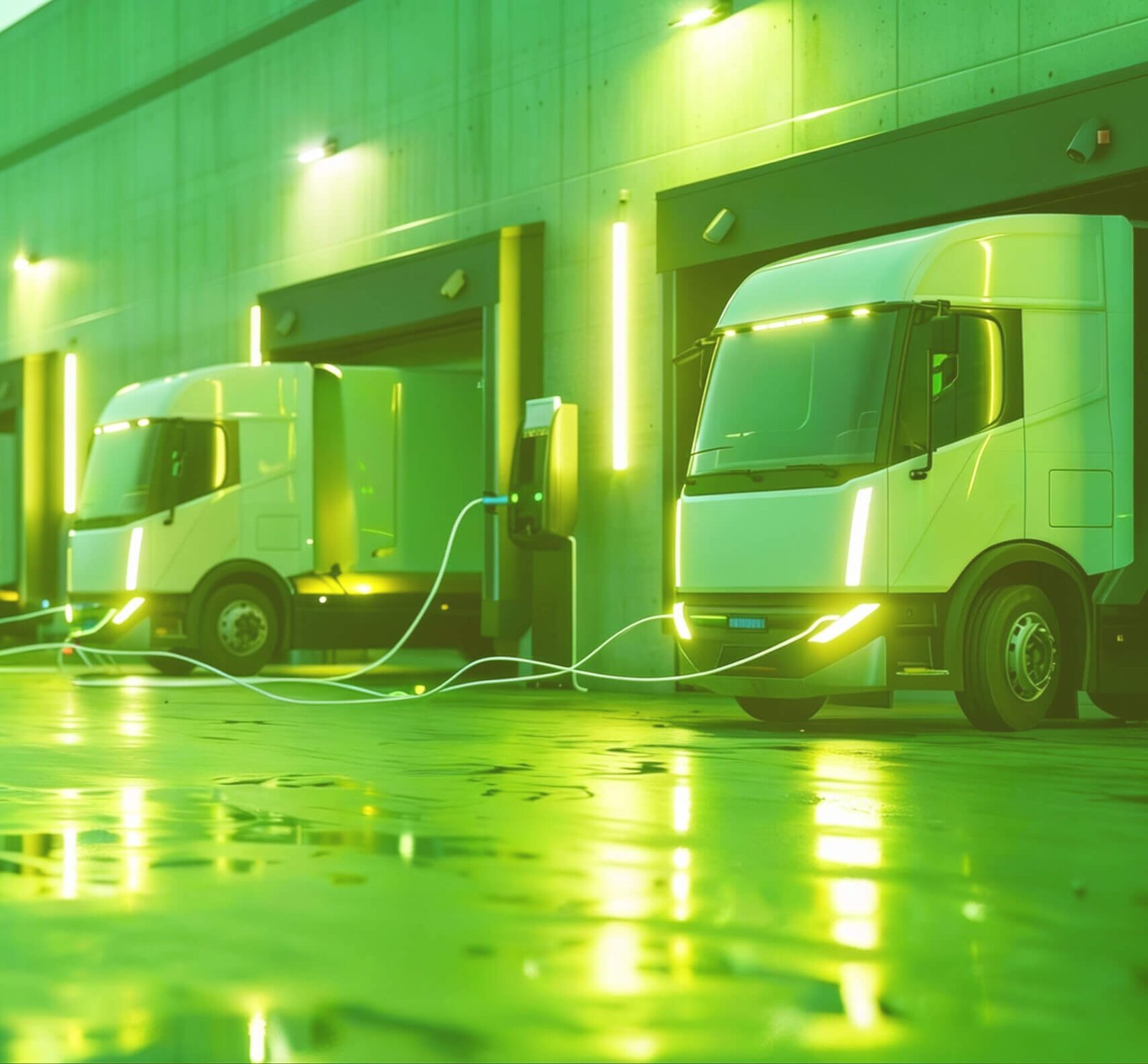
The ongoing transformations in the way people and goods will be transported are triggering mobility’s second historical inflection point, with far reaching impacts on the existing transport infrastructures and technologies. Starting with the decarbonization of the transport, which goes beyond the simple introduction of electric cars (EVs) and encompasses heavy goods vehicles (HGVs), shipping and the aviation sectors. The implementation of dedicated clean tech solutions in this regard will lead to material infrastructure investment opportunities in biofuels, synthetic fuels and clean hydrogen and associated fleet charging networks.
Also connectivity of cars will transform each of them into nodes connected to the Internet of Things (IoT) and, together with onboard telematics, will allow vehicles to connect externally through V2X connectivity (e.g. vehicle to vehicle – V2V, vehicle to infrastructure – V2I, vehicle to cloud – V2C). Increased connectivity among vehicles and external world will bring numerous benefits, including improved safety, but also triggering new investment opportunities in advanced logistic platforms that are capable of optimising fleets costs, efficiency, productivity, route planning and whole-life maintenance expenditures.
Finally, the advent of shared mobility models (e.g. bike-sharing, car-sharing) together with autonomous driving capabilities, will lead to growing adoption of technology-enabled new transport services, which will create multiple growth opportunities for Mobility-as-a-Service platforms and their enabling infrastructures (e.g. fleet recharging and management services, multipurpose urban charging and delivery hubs and mobility payment infrastructure platforms).
The rising cycle of data consumption creates demand for digital infrastructure. Relevant investment opportunities include:(i) broadband data networks;
(ii) digital transmission;
(iii) data centres;
(iv) digital twins (digital representations of physical assets for simulation, monitoring, and maintenance).
They refer to the greater diffusion of ubiquitous connectivity and the conversion of information into a digital format, which combined, act as catalysts for the transformation of existing business models through the adoption of new digital technologies. The digitalisation and connectivity macrotrend captures the virtuous cycle of rising data consumption /creation giving birth to new technologies and new applications that generate ever-rising demand for additional capacity, where digital infrastructure has become the backbone of and increasingly digital lifestyle.
The most relevant infrastructural investment opportunities supported by this megatrend can be grouped around 4 key segments:
(i) data networks (fibre, cable, towers, cells);
(ii) digital transmission (active components like routers, serves, antennas,…);
(iii) data centres (hubs and backbone that allow for the communication, processing, backup of data);
(iv) digital twins (i.e. digital representation of real-world physical asset or process that serves as tool for practical purposes, such as simulation, integration, testing, monitoring and maintenance).
They refer to the greater diffusion of ubiquitous connectivity and the conversion of information into a digital format, which combined, act as catalysts for the transformation of existing business models through the adoption of new digital technologies. The digitalisation and connectivity macrotrend captures the virtuous cycle of rising data consumption /creation giving birth to new technologies and new applications that generate ever-rising demand for additional capacity, where digital infrastructure has become the backbone of and increasingly digital lifestyle.
The most relevant infrastructural investment opportunities supported by this megatrend can be grouped around 4 key segments:
(i) data networks (fibre, cable, towers, cells);
(ii) digital transmission (active components like routers, serves, antennas,…);
(iii) data centres (hubs and backbone that allow for the communication, processing, backup of data);
(iv) digital twins (i.e. digital representation of real-world physical asset or process that serves as tool for practical purposes, such as simulation, integration, testing, monitoring and maintenance).
This megatrend is a multi-dimensional transformation creating investment opportunities in new energy value chains, including: (i) clean tech services for energy efficiency (e.g. ESCOs); (ii) intermittency solutions (e.g., battery storage, demand response platforms); and (iii) clean tech solutions for decarbonisation of specific sectors (e.g., eFuels, EV charging hubs).
According to the World Life Fund, “global food production currently accounts for a third of greenhouse gases, 80% of deforestation, 70% of terrestrial biodiversity loss, and 70% of all freshwater use” and current food production still has to increase dramatically to meet growing population demands. The world requires a sustainable solution to feed a growing population, with a healthy and affordable diet, without permanently depleting natural resources. On a planet of finite resources, the circular economy is increasingly recognised as an inevitable choice to ensure and achieve global sustainability objectives.
The strong interplay between food system sustainability, human health and the ageing population megatrend, implies that the growing adoption of circular food production and consumptions patterns will support both the environmental-physical sustainability, as well as social-economical sustainability. As more consumers demand more sustainable and healthier food options (like plant-based and non-meat alternatives to proteins), multiple advantages will emerge, like the ability to feeding people and radically reduce CO2 emissions, but also support the decrease in obesity and ensuring that while humanity is growing older, it is also living healthier.
People living longer in better health, will be able to work longer and contribute to the economy, reducing pension burden, social costs of healthcare costs and opening up new services tailored to the specific needs of this consumer group. As far as infrastructure investments are concerned, the unfolding of these megatrends will generate attractive investment opportunities in companies active in the creation and management of recovered resources for:
(i) the energy market (with ramp up of waste to energy, waste to fuel or waste to product plants);
(ii) regenerative models for the collection and treatment of secondary raw materials (electronic equipment, batteries, exhausted oils, plastics,…);
(iii) more efficient agricultural solutions (vertical pharming, precision pharming, …);
(iv) investment in firms active in the provision of services for an ageing population, like: diagnostic centres, pharmacy networks, elderly care platforms, technologically supported remote assistance and medical consultation services.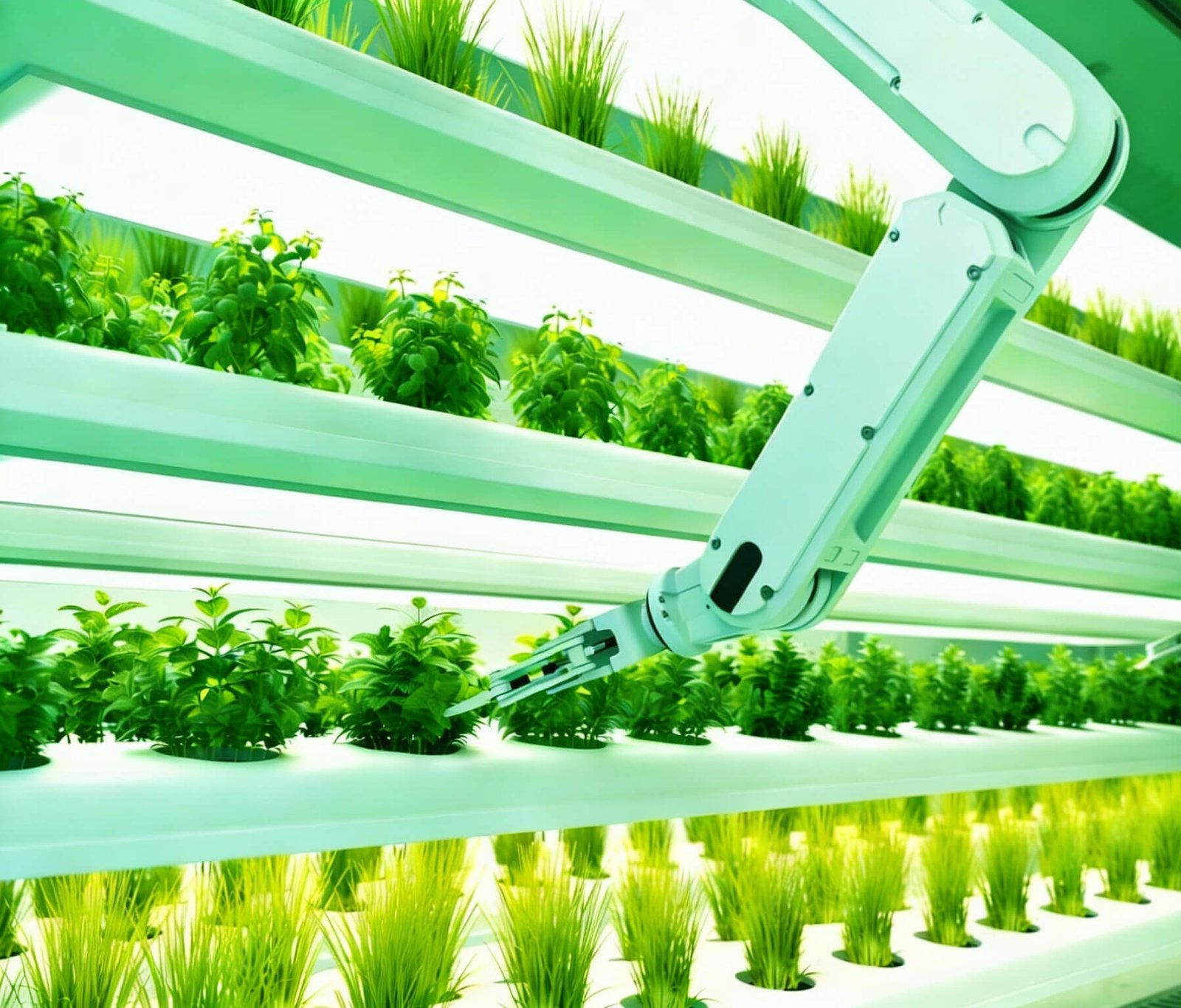
According to the World Life Fund, “global food production currently accounts for a third of greenhouse gases, 80% of deforestation, 70% of terrestrial biodiversity loss, and 70% of all freshwater use” and current food production still has to increase dramatically to meet growing population demands. The world requires a sustainable solution to feed a growing population, with a healthy and affordable diet, without permanently depleting natural resources. On a planet of finite resources, the circular economy is increasingly recognised as an inevitable choice to ensure and achieve global sustainability objectives.
The strong interplay between food system sustainability, human health and the ageing population megatrend, implies that the growing adoption of circular food production and consumptions patterns will support both the environmental-physical sustainability, as well as social-economical sustainability. As more consumers demand more sustainable and healthier food options (like plant-based and non-meat alternatives to proteins), multiple advantages will emerge, like the ability to feeding people and radically reduce CO2 emissions, but also support the decrease in obesity and ensuring that while humanity is growing older, it is also living healthier.
People living longer in better health, will be able to work longer and contribute to the economy, reducing pension burden, social costs of healthcare costs and opening up new services tailored to the specific needs of this consumer group. As far as infrastructure investments are concerned, the unfolding of these megatrends will generate attractive investment opportunities in companies active in the creation and management of recovered resources for:
(i) the energy market (with ramp up of waste to energy, waste to fuel or waste to product plants);
(ii) regenerative models for the collection and treatment of secondary raw materials (electronic equipment, batteries, exhausted oils, plastics,…);
(iii) more efficient agricultural solutions (vertical pharming, precision pharming, …);
(iv) investment in firms active in the provision of services for an ageing population, like: diagnostic centres, pharmacy networks, elderly care platforms, technologically supported remote assistance and medical consultation services.
Protect
The Centrality of
Capital Protection
Capital Protection
As the concept of the infrastructure assets evolves from the original notion of the asset class (which was mainly focused on fully regulated-availability based energy asset or concession based transport assets), to include a growing number companies active in multiple new sectors exposed to market competition (i.e. logistic platforms, TLC towers, health platforms), it has become of paramount importance to ensure that potential target companies maintain those robust capital protection features which were original characteristics differentiating the infrastructure asset class against pure play PE strategy.
From an operational point of view, this means that each target opportunity is screened across three key dimensions to confirm its compatibility with the desired characteristics and targeted risk return profile:
01
02
03
Execute
Industrial High
Performing Governance
Performing Governance
This is an industrial, high-performance governance framework, whose operational implementation is guided by a value creation playbook which is used to bring discipline and accelerate the execution of the envisaged business transformation through a three-stage approach:
01
02
03
Vesper High Performance Governance
We Learn, Adapt and Improve
We Learn, Adapt and Improve